
Are you pregnant with twins and don’t know what to do about supplements?
First of all, congratulations on your twin pregnancy – here are some things you need to know about a multiple pregnancy and supplements.
In general, it’s recommended that you follow the same advice on supplements whether you’re expecting a singleton or twins, if you have any underlying medical conditions it’s recommended that you speak to your doctor or a dietitian.
It is advised that pregnant women, regardless of the number of children, eat a normal and healthy diet – follow the 8 (danish) dietary guidelines:
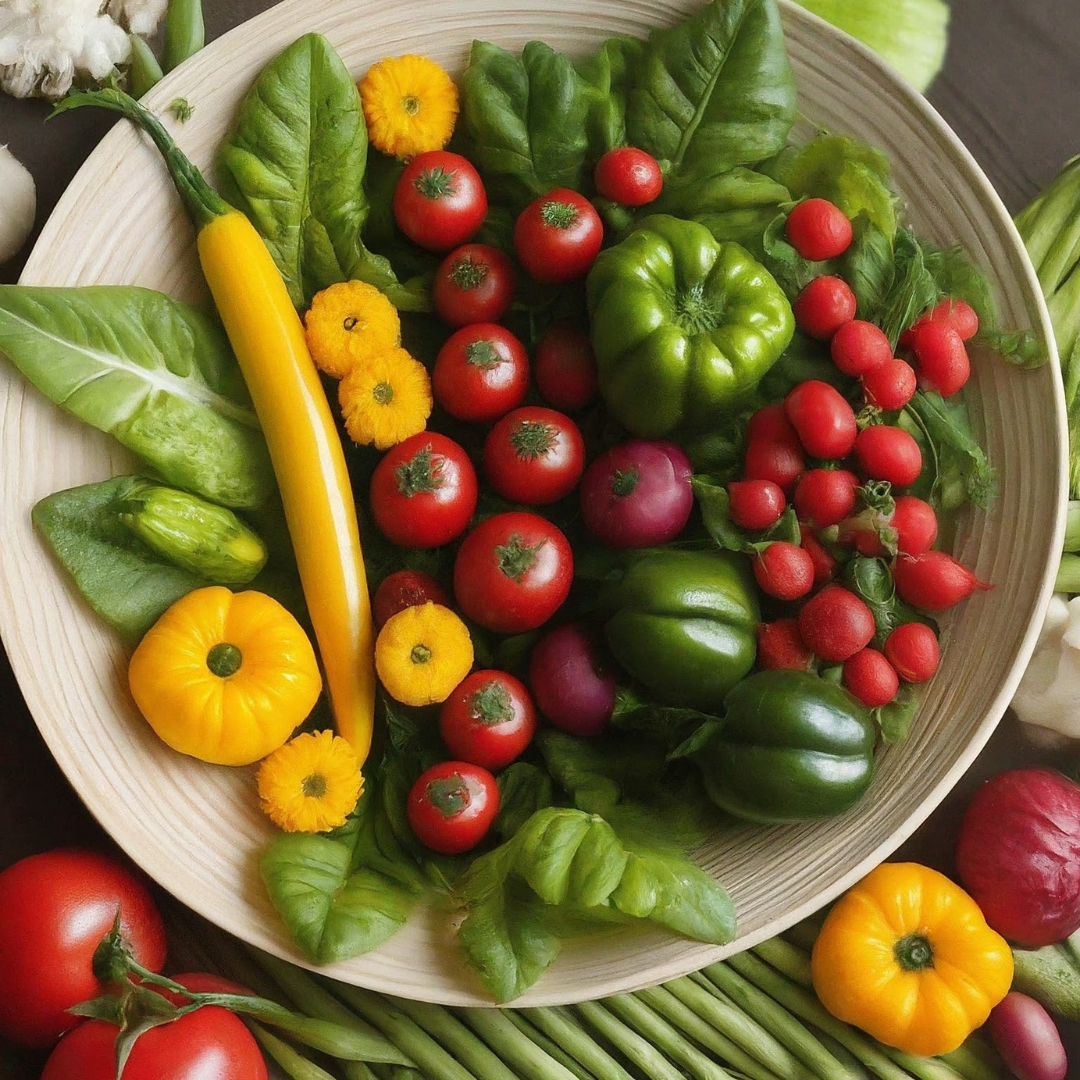
– eat fruit and vegetables – 6 a day
– Eat fish and fish spreads several times a week
– eat potatoes, rice or pasta and wholemeal bread every day
– cut back on sugar – especially from fizzy drinks, sweets and cakes
– cut back on fat – especially from dairy and meat
– Eat a varied diet
– Drink water when you’re thirsty
– be physically active for at least 30 minutes a day (this is advice that not all twin pregnancies can follow for various reasons)
It is recommended that pregnant women avoid excessive amounts of predatory fish such as tuna, skate, halibut, oilfish/butterfish, swordfish, porbeagle, pike, perch and zander, as they can contain various undesirable toxins, such as mercury, which can harm the babies in the stomach.
It is recommended that you avoid eating them altogether or keep to less than 100 grams per week.
Canned tuna is a smaller fish that has not yet ingested large doses of toxins and can therefore be eaten, but in small portions.
Avoid excessive amounts of vitamin A, there are larger amounts of vitamin A in e.g. liver and pâté. Also, make sure you cook your meat, fish and poultry thoroughly and avoid raw eggs.
Vitamins and minerals:
Before pregnancy
400 micrograms of folic acid from 3 months before pregnancy
5-10 micrograms of vitamin D from October to April
During pregnancy
400 micrograms of folic acid (max 600 micrograms), possibly in the form of a multivitamin tablet
10 micrograms of vitamin D throughout pregnancy, possibly in the form of a multivitamin tablet
40-50 mg ferrous iron from week 10 of pregnancy
500 mg calcium from dairy products or as a supplement
Breastfeeding
10 micrograms of vitamin D throughout the breastfeeding period
500 mg calcium from either dairy products or as a supplement
In general
There may be benefits to taking fish oil, magnesium, organic iron, iodine and multivitamins
High doses of vitamin A (above 100% of RI) and plant parts in supplements should be avoided
There are extra recommendations for women who eat vegan – see the National Board of Health recommendations.
Source: Pregnancy and dietary supplements – Patienthåndbogen på sundhed.dk
Talk to your doctor if you have questions about diet or extra supplements.









Leave A Comment